There was once a time when I was terrified when I caught sight of a bee. I was afraid that the bee would land on me and then, suddenly, STING!!!!! Over the years, my fears lessened as I learned more about insects. I now understand that I wasn’t ever actually afraid of bees. I was afraid of wasps and yellowjackets, but at that point, I was unable to differentiate wasps and yellowjackets from bumblebees and honeybees. I have learned that wasps and yellowjackets are actually pollinators and are useful creatures. Yellowjackets, however, seem to consider stinging people to be a competitive sport. Bumblebees, on the other hand, are the panda bears of the bee world They are fat and easy going and, when they get tired, they sleep in flowers. They are absolutely adorable. Unfortunately, bumblebees, which are a native species of bee, are at risk, with some species of bumblebee being on the endangered species list. Dangers to bumblebees include habitat loss, exposure to lawn pesticides, climate change, and disease.
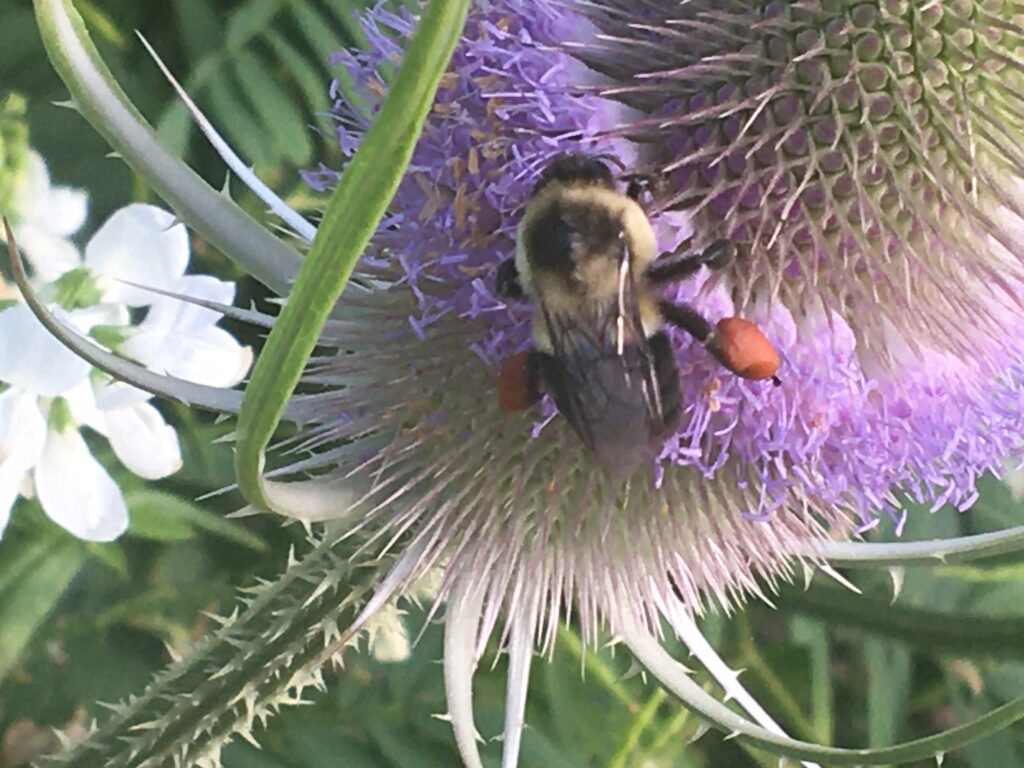
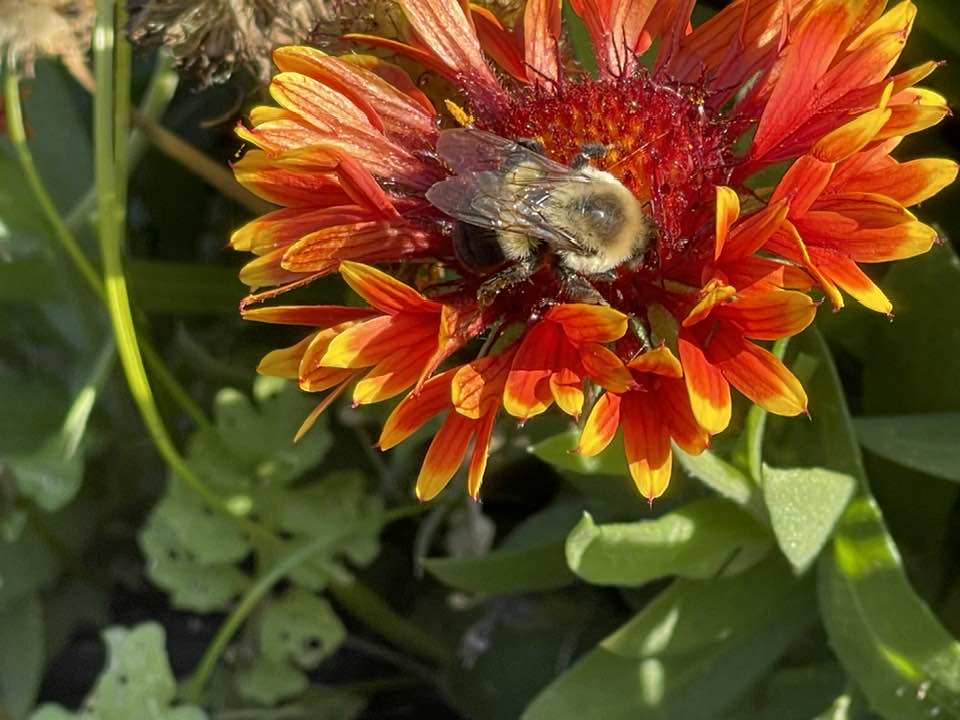
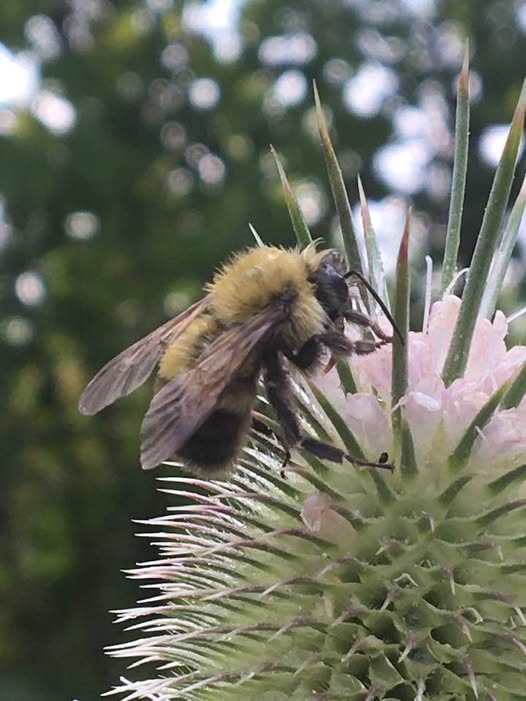
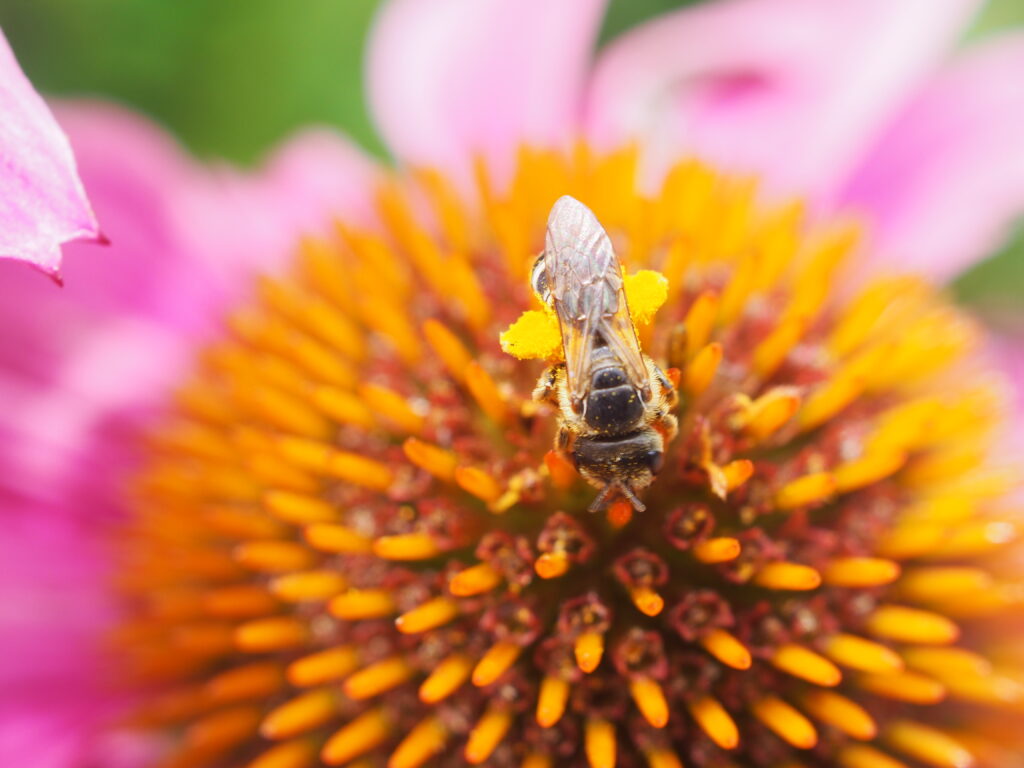
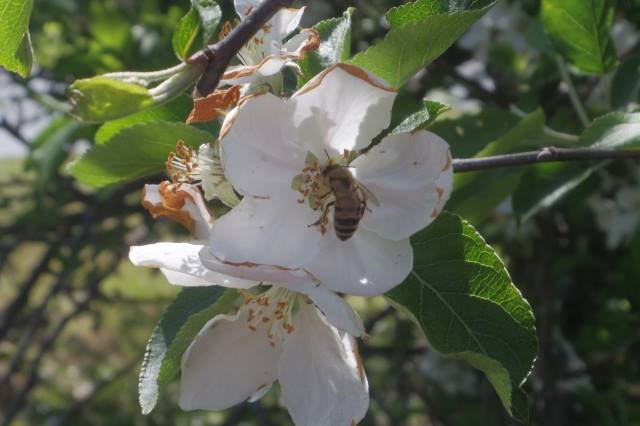
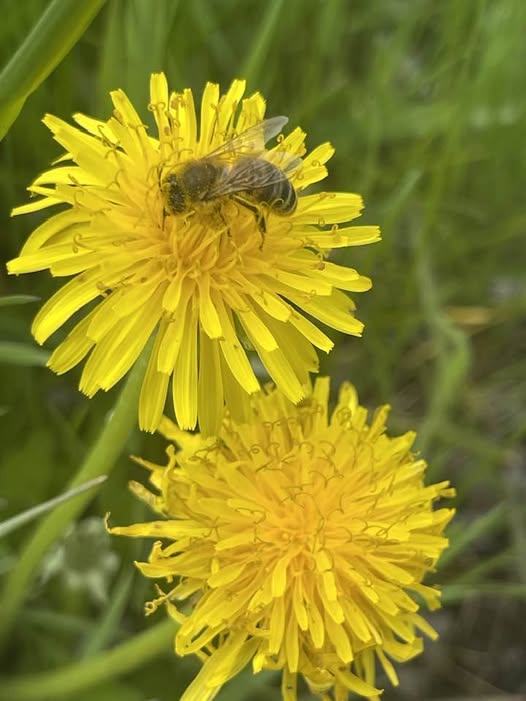
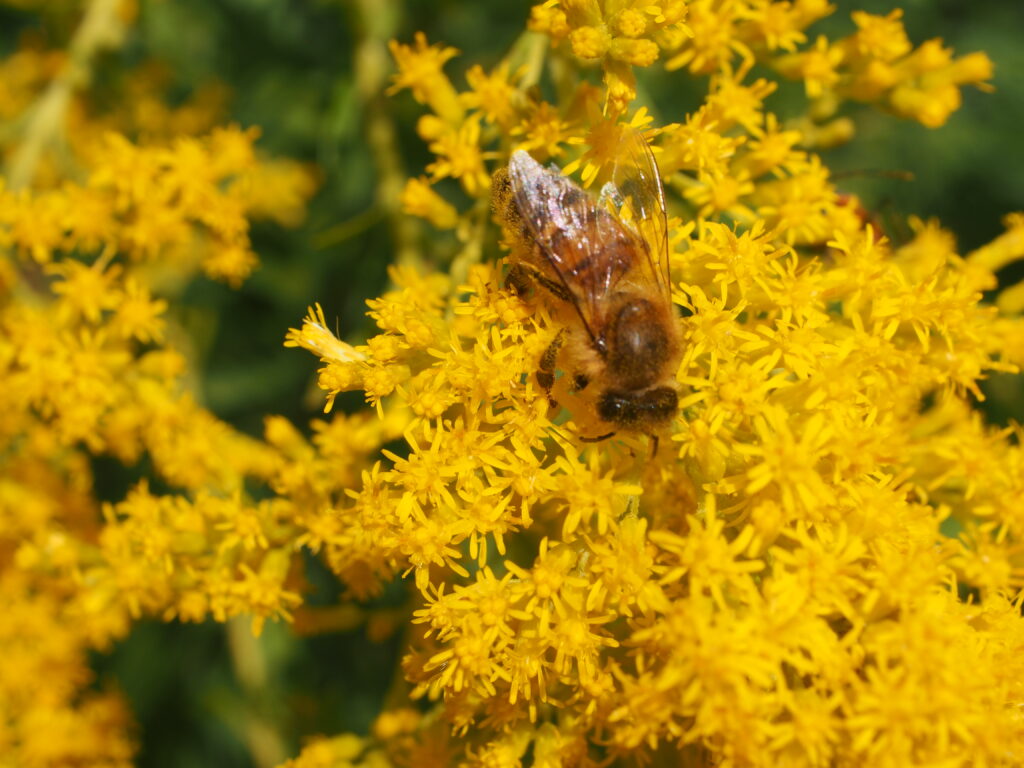
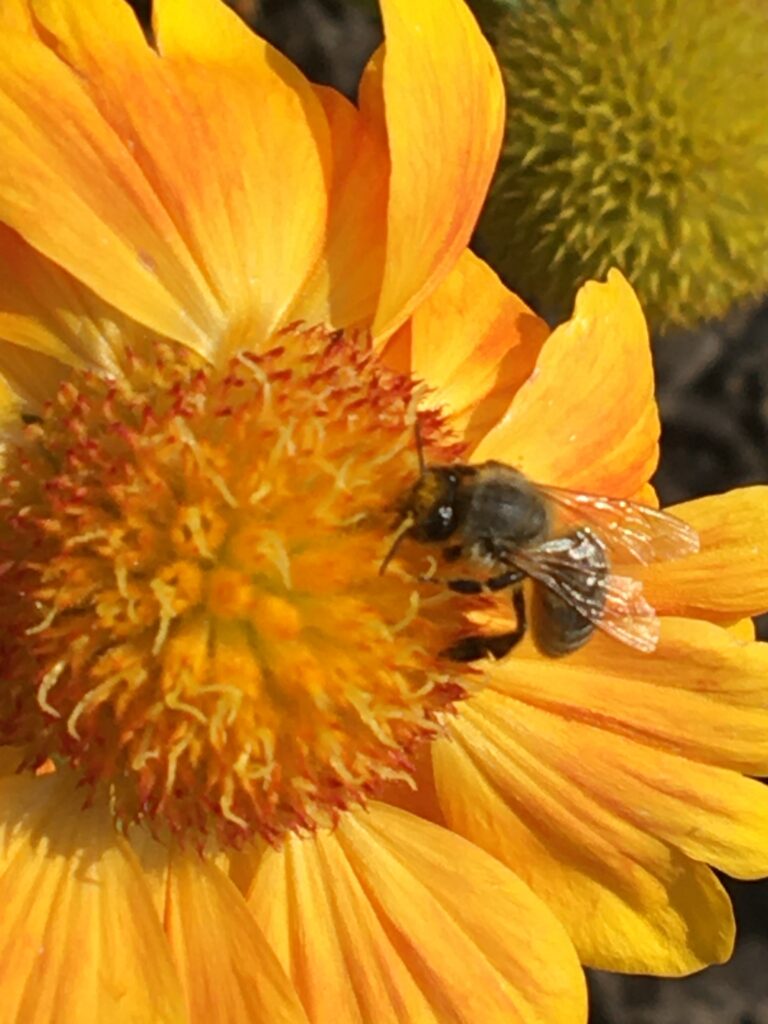
I hope that you’ve enjoyed the bees. In a few days, I will share pictures of butterflies.


These are beautiful bee shots. I like the bees and I love the flowers. Thanks for sharing these photos.
Thank you! I was really happy to share those photographs. I do love taking pictures of bees, now that they don’t cause me a panic attack!
I love bees also. They’re amazing! I love it when they’re pollen pants are so heavy they can barely fly.
It is truly amazing to see bumblebees fly with all of that pollen. It’s hard to believe that they are able to do that!
We just couldn’t survive without bees. I still don’t want to get stung though. LOL
Stung is, for sure, not fun. Fortunately, bees generally just do their tasks and mind their own business. You do have to watch out for ground nesting bees, to avoid stepping on their nests.
What beautiful bee photos you captured. I love to watch the bees collecting nectar, now the ground wasps are something else. I was attacked be a swarm of them last year while raking an area in my yard. I’ll definitely be waiting to see your butterflies!
Thank you! I agree that wasps are pretty awful creatures! Butterflies are coming soon!